
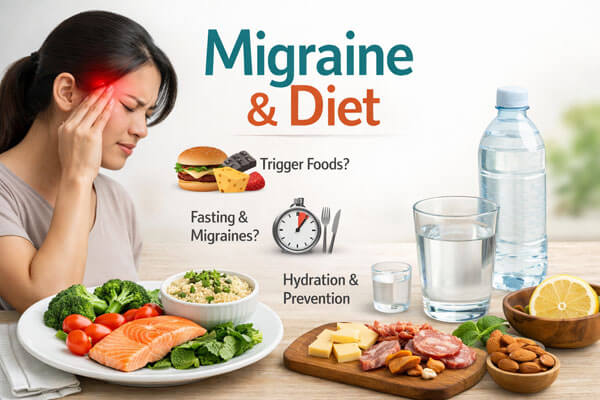

1. Introduction
If you live with migraine, you’ve probably wondered at some point:
“Is it something I ate?”
“Does skipping breakfast make my migraine worse?”
“Does drinking enough water really matter?”
Migraine is a complex brain condition, not “just a bad headache”. For many people, everyday choices like what they eat, how long they fast between meals, and how much water they drink can influence how often attacks happen and how severe they feel.
Modern life makes this even harder:
- Long work hours and skipped meals
- Intermittent fasting trends
- High-caffeine habits followed by sudden withdrawal
- Ultra-processed foods and late-night snacking
- Chronic dehydration from busy, screen-heavy days
At the same time, people are searching more than ever for science-based, practical “migraine diet plans” that can reduce attacks without dangerous or extreme approaches.
This guide brings together what we currently know about migraine and diet, especially:
- Common migraine food triggers
- How fasting and irregular meals can provoke attacks
- Why hydration is a powerful but underrated tool
- How to build a migraine-safe diet that supports long-term brain and metabolic health
You’ll also find a realistic sample day plan, an FAQ, and clear safety warnings about when to talk to a doctor or dietitian.
2. Quick Snapshot: Key Facts & Takeaways
If you just need the headlines, start here:
- Diet doesn’t “cause” migraine, but in many people it can trigger attacks or make them more frequent.
- Common food triggers include alcohol (especially red wine), aged cheeses, processed meats with nitrates, chocolate, foods high in MSG, and some artificial sweeteners (like aspartame). Individual triggers vary a lot.
- Fasting, skipping meals or long gaps without food are major migraine triggers for many people. Keeping blood sugar relatively steady can reduce attacks.
- Dehydration is a classic trigger. Even mild dehydration can precipitate headaches and migraine in susceptible people.
- The goal is not a perfect or extreme “migraine diet”, but a consistent, balanced pattern with regular meals, enough fluids, and limited ultra-processed triggers.
- Food triggers are highly individual. A food diary plus a structured elimination-and-retest approach is more reliable than cutting everything at once.
- Certain overall patterns (Mediterranean-style, anti-inflammatory diets; sometimes ketogenic diets in specific cases) may reduce migraine frequency when supervised.
- Intermittent fasting and aggressive dieting can backfire in migraine patients, especially without medical guidance.
- For long-term brain and metabolic health, focus on whole foods, fibre, healthy fats, steady energy, and adequate hydration, not quick fixes.
3. How This Fits into Modern Lifestyle & Future Health
Today’s lifestyle is almost designed to upset a “migraine brain”:
- Desk jobs and long screen time → eye strain, tension, irregular eating
- Busy schedules → skipped breakfast or lunch, late heavy dinners
- High reliance on ultra-processed foods → additives, high sodium, low fibre, fluctuating blood sugar
- Caffeine rollercoaster → energy drinks, coffee spikes, then sudden withdrawal
- Popular trends → intermittent fasting, extreme detox cleanses, keto without supervision
For someone with migraine, this mix can be the perfect storm. Diet-related triggers don’t act alone; they interact with stress, hormones, sleep, environment and genetics.
If we ignore diet and hydration:
- Attacks may become more frequent or more severe.
- People may lean heavily on painkillers, increasing the risk of medication overuse headache.
- Poor diet quality, overweight/obesity and metabolic issues (e.g., insulin resistance, high blood pressure, high cholesterol) can increase long-term risk of heart disease and stroke – important because migraine itself is linked with a slightly higher risk in some groups.
On the positive side, small, consistent improvements in food, fasting habits and hydration can:
- Reduce the number of migraine days for some individuals
- Improve energy, mood, gut health and sleep
- Protect long-term brain and heart health
So, thinking about migraine and diet isn’t just about avoiding tomorrow’s headache. It’s about building a stable internal environment where your brain feels safer and less reactive for years to come.
4. Science Background (Explained Simply)
4.1 What Is Happening in the Migraine Brain?
Migraine is a neurological condition involving:
- Changes in brain excitability (how easily brain cells fire)
- Altered pain pathways and processing
- Inflammation and changes in blood vessels
- Sensitivity to internal and external changes (light, sound, hormones, sleep, food, stress)
Think of the migraine brain as “sensitive to change”. Sudden shifts — in blood sugar, caffeine, hydration, hormones or even the weather — can tip it into an attack.
4.2 Food as a Trigger vs. Food as a Pattern
Research shows:
- Some people report clear attacks after specific foods (e.g., red wine, aged cheese, processed meats, chocolate, foods with MSG, aspartame).
- Evidence isn’t perfect: not every study finds a strong link, and not everyone with migraine has food triggers.
- However, broader dietary patterns matter a lot: high intake of ultra-processed foods, unhealthy fats and low fibre is linked with higher migraine frequency and worse overall health.
So, science suggests we should focus on overall patterns plus individual triggers, not obsess about a single “bad food”.
4.3 Fasting, Irregular Meals and Migraine
A 2025 scoping review on irregular meals and migraine found that fasting and long gaps between meals can trigger or worsen migraine attacks in many patients, likely by lowering brain glucose and increasing neuronal excitability.
Other evidence and guidelines note:
- Skipping meals, dieting and new eating regimens (like some forms of intermittent fasting) can cause “hunger headaches” and trigger migraine.
- Ramadan studies show many migraine patients experience worsening attacks due to fasting, dehydration, caffeine withdrawal and sleep disruption.
4.4 Hydration and Migraine
Dehydration is a well-recognised migraine trigger. Even mild fluid loss can change blood volume, electrolyte balance and brain function. Clinical guides and patient resources consistently highlight adequate hydration as a key lifestyle strategy for migraine.
4.5 Diet Patterns with Potential Benefits
Emerging evidence suggests:
- Mediterranean-style / anti-inflammatory diets (high in vegetables, fruits, whole grains, legumes, nuts, olive oil, fish) may reduce inflammation and improve migraine and overall health.
- Ketogenic and very-low-calorie ketogenic diets (VLCKD) have shown promising results in some trials, reducing migraine days and disability, particularly in overweight or chronic migraine patients. These need medical and dietitian supervision due to restriction and side effects.
- Maintaining a healthy weight, regular exercise and good sleep also improves outcomes.
5. Core Principles & Framework for a Migraine-Safe Diet
Here’s how to turn the science into a practical framework.
5.1 Keep Blood Sugar Steady
- Eat regular meals and/or planned snacks (every ~3–4 hours while awake) unless a medically supervised fasting pattern is in place.
- Combine complex carbohydrates + protein + healthy fat in each meal to slow glucose spikes.
- Avoid very long gaps between meals, especially morning coffee on an empty stomach and then no food until lunch – a classic trigger pattern.
5.2 Identify Your Personal Migraine Food Triggers
- Start with common trigger categories (see section 6).
- Track what you eat, when you eat, and when migraine symptoms start, for at least 4–6 weeks.
- Look for patterns: if a food is followed by migraine within 24 hours more than half the times you eat it, it may be a personal trigger.
- Use a structured elimination: remove 1–3 suspect foods for 2–4 weeks, then reintroduce one at a time while tracking symptoms.
5.3 Prioritise Hydration
- Aim for consistent fluid intake across the day, not just large amounts at once.
- Water is best; you can also include herbal teas, infused water and some low-sugar beverages.
- Adjust for climate, activity level and body size; many adults do well aiming around 1.5–2.5 L/day, but follow medical advice if you have kidney or heart conditions.
5.4 Minimise Ultra-Processed and High-Additive Foods
- Limit foods high in nitrates/nitrites, MSG, artificial sweeteners (especially aspartame), and highly processed fats.
- Choose fresh or minimally processed alternatives when possible.
5.5 Embrace an Anti-Inflammatory, Nutrient-Dense Pattern
- Base your diet on:
- Vegetables and fruits (especially leafy greens, colourful veg, berries)
- Whole grains (oats, brown rice, quinoa, millets)
- Beans, lentils, peas
- Nuts and seeds (unless they’re a personal trigger)
- Fish rich in omega-3 (e.g., salmon, sardines)
- Olive oil and other unsaturated fats
- This supports brain health, vascular health, gut health and long-term metabolic balance.
5.6 Be Cautious with Extreme Fasting and Restrictive Diets
- Approaches like water-only fasting, very prolonged intermittent fasting, or unsupervised ketogenic diets can be risky in migraine patients, especially if you also have diabetes, low blood pressure, eating disorder history or take medications.
- If you’re considering these, do it only under the guidance of a doctor and registered dietitian familiar with migraine.
5.7 Manage Caffeine Wisely
- Many people use caffeine (coffee, tea) as an acute relief for migraine – and it can help some.
- Problems arise with:
- Very high daily intake
- Irregular intake (3 coffees one day, none the next)
- Sudden withdrawal (stopping daily caffeine abruptly)
- Try to keep caffeine moderate and consistent, and never rely on caffeinated drinks instead of proper meals or water.
6. Step-by-Step Practical Guidance
6.1 Foods to Limit or Avoid in Migraine (Common Triggers)
Remember: these are common triggers, not universal rules.
| Category | Examples | Notes |
|---|---|---|
| Alcohol | Red wine, beer, some spirits | Histamine, tannins, sulfites; often reported triggers. |
| Aged / fermented foods | Aged cheese (cheddar, parmesan), cured meats, kimchi, soy sauce | High in tyramine and other amines. |
| Processed meats | Sausages, hot dogs, bacon, salami | Nitrates/nitrites; may trigger in susceptible people. |
| Foods with MSG | Certain snacks, instant noodles, some restaurant dishes | MSG sensitivity varies between individuals. |
| Artificial sweeteners | Diet soda, sugar-free gum/candy with aspartame | Often reported in migraine diaries. |
| Chocolate | Dark or milk chocolate | Contains caffeine and biogenic amines; triggers some, safe for others. |
| Very cold foods | Ice-cold drinks, ice cream | Can cause “ice cream headache” and trigger migraine in some. |
| Highly salty / processed snacks | Chips, instant soups, packaged meals | Can contribute to dehydration and fluid shifts. |
What to do in real life
- Don’t cut everything at once. Start with the top 1–3 suspects in your own life.
- Replace, don’t just remove (e.g., swap processed meats for grilled fish or lentils).
- Use your food + migraine diary to confirm or exonerate each food.
6.2 Foods to Emphasise: Migraine-Safe Diet Foundations
| “Migraine-friendly” tendencies* | Examples |
|---|---|
| Steady energy, fibre, nutrients | Oats, brown rice, quinoa, millets, whole wheat, legumes |
| Anti-inflammatory fats | Fatty fish (salmon, sardine), flaxseed, chia, walnuts, olive oil |
| Rich in magnesium & potassium | Leafy greens (spinach, amaranth), pumpkin seeds, beans, lentils, bananas, sweet potatoes |
| Hydrating & antioxidant-rich | Cucumber, citrus (if personally tolerated), berries, melon, coconut water (if suitable for your health) |
| Gentle proteins | Eggs, poultry, white fish, tofu, paneer/curd (unless dairy is a trigger), pulses |
*No food is 100% “safe” for everyone. Always personalise.
6.3 How to Structure Meals (Breakfast, Lunch, Dinner, Snacks)
Breakfast (within 1–2 hours of waking):
- Rolled oats cooked with milk or fortified plant milk
- Add: chia seeds or ground flax, sliced banana, and a small handful of nuts (if tolerated)
OR
- Vegetable upma / poha / idli with sambar, plus a boiled egg or curd
- Herbal tea or moderate coffee/tea if you tolerate caffeine
Mid-morning:
- Fruit + small protein portion (e.g., pear with handful of roasted chickpeas, or an apple with a spoon of peanut butter)
Lunch:
- ½ plate vegetables (mix of cooked and raw)
- ¼ plate whole grain (brown rice, roti from whole wheat or millet)
- ¼ plate protein (dal, lentils, fish, chicken, tofu)
- A teaspoon of ghee or olive oil for healthy fat (unless advised otherwise medically)
Afternoon snack (especially if dinner will be late):
- Unsweetened plain yoghurt (if tolerated) with fruit
- Or hummus with vegetable sticks
Dinner (not too late, 2–3 hours before bed if possible):
- Light but balanced:
- A vegetable-based soup with lentils + small piece of whole grain bread
- Or mixed vegetable stir-fry with tofu and brown rice
Hydration pattern:
- 1 glass on waking
- 1 with each meal
- 1 between meals
- Adjust based on climate, activity and medical advice
6.4 Migraine and Fasting: If You Want to Try Intermittent Fasting
If you have migraine, do not jump into a strict fasting routine on your own. Evidence shows fasting and skipping meals can trigger attacks in many people.
If your doctor/dietitian agrees that a gentle fasting pattern might be safe for you:
- Start with 12:12 (12 hours overnight fast, 12 hours eating window) rather than extreme 16:8 or OMAD (one meal a day).
- Never fast without water unless required for religious reasons – and then plan sahur/iftar meals very carefully with your healthcare team.
- Avoid big swings: keep meal composition similar day-to-day, and keep caffeine consistent.
- Stop and seek advice if fasting clearly increases migraine frequency or severity.
6.5 Migraine and Hydration: Practical Tips
- Keep a refillable bottle on your desk; sip regularly rather than chugging rarely.
- Link water to cues: after bathroom, before phone calls, at start/end of work sessions.
- Use herbal teas, infused water, or diluted fruit juices (e.g., 1 part juice to 3 parts water) if plain water is boring, watching sugar content.
- Monitor urine colour: light straw is usually a sign of good hydration (unless on certain meds or vitamins).
- Increase water on hot days, active days, or when taking diuretics (if allowed by your doctor).
7. Special Populations & Edge Cases
Always check with your own doctor/dietitian, especially in these situations.
7.1 Children and Teens
- Their brains and bodies are still developing.
- Strict elimination diets or fasting regimens can cause growth and nutrient problems.
- Focus on:
- Regular meals and snacks
- Enough calories and protein
- Limiting obvious triggers (e.g., energy drinks, ultra-processed snacks)
- Any major restriction (e.g., dairy-free, gluten-free, keto) should be done only under paediatric medical and dietetic supervision.
7.2 Pregnant or Breastfeeding Women
- Migraine patterns often change in pregnancy; some improve, some worsen.
- Nutrient needs (e.g., iron, folate, iodine, DHA) and hydration needs are higher.
- Strict fasting or ketogenic diets during pregnancy are not recommended.
- Avoid herbal/supplement “migraine cures” unless your obstetrician approves – some are unsafe in pregnancy.
7.3 Older Adults
- May have reduced thirst sensation, making dehydration more likely.
- Often take multiple medications, increasing the risk of drug–nutrient or drug–supplement interactions.
- Focus on easy-to-chew, nutrient-dense foods, regular meals and gentle hydration.
- Check kidney and heart function before making big changes to fluid or protein intake.
7.4 People with Chronic Illness (Diabetes, Heart Disease, Kidney Disease, Eating Disorders)
- Diabetes: Very long fasts and sudden carbohydrate changes can cause dangerous hypo- or hyperglycaemia. Any “migraine diet” must be coordinated with diabetes care.
- Heart disease / high blood pressure: Limit very salty and high-fat processed foods; Mediterranean-style patterns can support both heart and migraine.
- Kidney disease: Fluid and protein may be restricted; you must follow nephrology diet guidance first.
- Eating disorders or history of disordered eating: Fasting, elimination diets and strict rules can be risky. Work with a clinician experienced in both migraine and eating disorders.
8. Common Mistakes, Myths & Red Flags
8.1 Myths & Corrections
Myth 1: “Everyone with migraine must avoid chocolate, cheese and coffee forever.”
Reality: These are common triggers, but not universal. Many patients tolerate them well, especially in moderation and with regular meals. Use a diary, not fear.
Myth 2: “If I do a 3-day water-only fast, I’ll detox and cure my migraine.”
Reality: Severe fasting is more likely to trigger attacks and be dangerous (electrolyte problems, low blood sugar) than to cure migraine.
Myth 3: “Ketogenic diet cures migraine for everyone.”
Reality: Studies show ketogenesis can help some people, especially overweight or chronic migraine patients, but it’s not universal and comes with risks. It should be supervised.
Myth 4: “Supplements are natural, so they’re automatically safe for migraine.”
Reality: Some supplements (e.g., butterbur, certain high-caffeine or pre-workout products, 5-HTP, St John’s Wort) can worsen migraine or interact with medications and even harm the liver.
Myth 5: “If one food triggered me once, I must avoid it for life.”
Reality: Triggers are often multifactorial (stress, hormones, sleep, weather plus food). You need repeated patterns in your diary before labelling any food as a permanent enemy.
8.2 Red Flags in Diet Advice
Be cautious if you see:
- Claims of “cure in 7 days” or “never need migraine medication again”.
- Diets that eliminate entire food groups without medical oversight.
- Instructions to fast on water only for long periods.
- Heavy promotion of expensive proprietary supplements as the main solution.
- Telling you to stop prescribed medication without involving your neurologist.
9. Safety, Contraindications & When to See a Doctor/Dietitian
9.1 Who Must Get Professional Advice Before Big Diet Changes
- People with diabetes, serious heart disease, kidney or liver disease
- Those who are pregnant or breastfeeding
- Children and teens
- People with a history of eating disorders or severe underweight
- Anyone considering extreme fasting, ketogenic diets, or multiple supplements
9.2 Warning Symptoms – Get Urgent Medical Help If:
Diet changes are important, but some headaches require immediate medical attention, especially if you notice:
- “First or worst” headache of your life
- Sudden, very severe headache (“thunderclap” onset)
- Headache with weakness, numbness, confusion, trouble speaking, or vision loss
- Headache with fever, neck stiffness, rash or recent head injury
- Headache that changes dramatically from your usual migraine pattern
These can signal conditions more serious than migraine and need urgent evaluation.
9.3 Medication, Supplements and Interactions
- Always tell your doctor about all supplements you take or plan to take.
- Some herbal or “natural” products can interact with:
- Triptans
- Antidepressants
- Blood thinners
- Blood sugar or blood pressure medications
10. Sample Day: Migraine-Safe Diet Plan (Adaptable)
This is a gentle template, not a strict prescription. Adjust for your culture, preferences and health conditions.
Morning
- On waking:
- 1 glass of water
- Light stretching or a short walk if possible
- Breakfast (within 1–2 hours):
- Vegetable upma with mixed vegetables (carrot, beans, peas)
- 1 boiled egg or a small bowl of plain yoghurt (if tolerated)
- 1 small cup of tea/coffee if you usually take caffeine – keep amount consistent daily
Mid-Morning Snack
- 1 fruit (e.g., apple, pear, banana)
- Handful of roasted chickpeas or a small handful of nuts (if not a trigger)
- Glass of water
Lunch
- ½ plate: mixed vegetable sabzi/stir-fry or salad
- ¼ plate: brown rice / millet / whole wheat roti
- ¼ plate: dal or lentil curry + small portion of fish or chicken, or tofu/paneer if vegetarian
- 1 tsp ghee or olive oil for flavour and satiety
- Glass of water or buttermilk (if dairy tolerated)
Afternoon
- Herbal tea (ginger, peppermint or chamomile if tolerated)
- A small snack:
- Whole grain crackers with hummus
- Or a small bowl of sprouted lentil salad
Evening / Early Dinner
- Vegetable soup (e.g., tomato–lentil, mixed veg) with beans or lentils
- A small side of whole grain bread or roti
- Steamed or sautéed greens
- Glass of water
Before Bed
- If you get night-time hunger that triggers headache, a tiny snack may help:
- Warm milk or plant milk
- Or a small banana with a spoon of nut butter
Throughout the day, aim to avoid long gaps without any food, aggressive sugar highs and lows, and keep fluids steady.
11. FAQs Based on Real User Search Intent
1. Which foods cause migraine most often?
Commonly reported triggers include alcohol (especially red wine), aged cheeses, processed meats with nitrates, chocolate, foods high in MSG, and drinks or foods with aspartame. However, not everyone reacts the same way. Keeping a food diary is essential to find your own triggers.
2. What is the best “migraine diet plan”?
There is no single perfect diet, but many people do well on a Mediterranean-style, anti-inflammatory pattern: lots of vegetables, fruits, whole grains, legumes, nuts, olive oil, and fish, with limited ultra-processed foods. Some may benefit from a medically supervised ketogenic pattern.
3. Is intermittent fasting safe if I have migraine?
For many migraine patients, skipping meals or long fasts can trigger attacks. If you wish to try intermittent fasting for weight or metabolic reasons, do so only with your doctor/dietitian, start gently (e.g., 12:12), and stop if migraines worsen.
4. Does drinking more water really help migraine?
Yes, for many people it does. Dehydration is a recognised trigger for headaches and migraine. Staying adequately hydrated is a simple, low-risk strategy that may reduce attack frequency and improve overall wellbeing.
5. Are coffee and tea bad for migraine?
Caffeine can both help and hurt. Small, consistent amounts can relieve pain for some people, especially when used with medication. Problems come from very high intake, irregular use, or sudden withdrawal. Try to keep caffeine moderate and consistent, and avoid giant doses on an empty stomach.
6. Do I have to go completely gluten-free or dairy-free?
Only if you and your clinical team see clear evidence that these are triggers or you have another condition (e.g., coeliac disease, lactose intolerance). Unnecessary restriction can harm gut health and nutrient intake. Use testing, diary data and professional guidance before making big exclusions.
7. Can supplements cure my migraine?
No supplement can cure migraine. Some (like magnesium, riboflavin, CoQ10) may help as part of a wider plan; others (like butterbur or stimulant-heavy pre-workouts) can be risky. Always talk to your doctor about supplements, especially if you take migraine medications.
8. How fast will I see results if I change my diet?
Some people notice differences within a few weeks, especially when they correct obvious issues (skipping meals, dehydration, heavy alcohol). For others, it may take 2–3 months of consistent patterns and diary tracking to see clear trends. Diet is a long-term strategy, not an overnight fix.
9. Is keto the future of migraine treatment?
Ketogenic diets are an exciting research area, with trials showing benefits for some migraine patients, particularly those who are overweight or have chronic migraine. But they are not suitable or necessary for everyone, and require close medical and dietetic supervision.
10. What is the safest first step I can take today?
For most people, the safest first steps are:
- Drink enough water
- Stop skipping meals
- Reduce ultra-processed, salty and heavily additive-loaded foods
- Keep a food + migraine diary
You can then decide, with your healthcare team, whether you need more advanced changes.
12. Summary & Action Steps
12.1 Recap
- Migraine and diet are strongly connected through triggers, blood sugar control, hydration, inflammation and overall metabolic health.
- Not everyone has the same triggers, but alcohol, aged cheeses, processed meats, chocolate, MSG, and aspartame are frequent culprits.
- Fasting, skipping meals and dehydration are major and often under-appreciated triggers.
- A balanced, anti-inflammatory, whole-food dietary pattern with steady meals and fluids, plus limited ultra-processed foods, supports both migraine control and long-term health.
- Extreme diets, aggressive fasting or unsupervised supplement use can be harmful and should be avoided.
12.2 Concrete Next Steps You Can Start Now
- Start a 4–6 week migraine diary – record food, drinks, fasting gaps, sleep, stress and migraine symptoms.
- Set a hydration goal and keep a water bottle nearby; spread intake through the day.
- Stop skipping meals – aim for regular, balanced meals and small snacks if needed.
- Tidy up your environment – stock more vegetables, fruits, whole grains, beans, nuts and fish; reduce ultra-processed “emergency” foods.
- Experiment with one change at a time (e.g., cut red wine for a month, or reduce processed meats) and watch the diary.
- Discuss your plan with your doctor and, if possible, a registered dietitian who understands migraine.
- Focus on progress, not perfection – even small, sustained changes can help your brain be less reactive over time.
13. Brief Note for Health Professionals (Optional)
Clinicians can use this article as a structured education tool: a starting point to discuss diet, fasting and hydration within a broader migraine management plan. Encourage patients to use the diary approach, personalise trigger exploration, and avoid extreme diets or supplement regimens without professional oversight. Integrating this with pharmacologic and behavioural strategies can improve outcomes and patient confidence.
Disclaimer
This article is for educational purposes only and is not a substitute for professional medical advice. Always consult your doctor or a registered dietitian before making significant changes to your diet, especially if you have existing health conditions, are on medication, are pregnant, or are breastfeeding.
Why Meds Media guides are different
We focus on clear, practical explanations of homeopathic and natural health topics so you can understand remedies, symptoms, and lifestyle changes in simple language.
Meds Media is an educational resource only. Always consult a qualified doctor or homeopathic practitioner before starting, stopping, or changing any treatment.
Similar Posts You may also like
Pregnancy Nutrition for Vegetarians and Vegans: Meeting Protein, Iron and B12 Needs
Constipation vs Diarrhoea: Two Different Food Plans for Two Different Problems

Science Backed Nutrition for Weight Loss | Without Crash Diets